
Moving House Locksmith Checklist: Everything You Need to Know
You’ve just bought a house. Congratulations. You’ve got keys from the estate agent. You’re planning the move. You’re excited about your new home.
But here’s something most people don’t think about until it’s too late: you have no idea who else has keys to your new house.
The previous owners had keys. Their children had keys. Their parents might have had a spare. The estate agent has keys. The letting agent might have kept a copy. The builder who did their extension three years ago might still have a set. Their cleaner. Their dog walker. Their neighbour who watered the plants.
I’m Dan Collins, and I’ve been helping people secure their new homes throughout Lancashire and Yorkshire for years. I’ve heard stories that would shock you. Keys found in random drawers months after moving in. Neighbours still use old keys to “check on the property.” Previous owners turning up because they “forgot” to hand over a set.
Your new house is probably the biggest investment you’ll ever make. Securing it properly from day one isn’t paranoia. It’s basic common sense. This checklist walks you through exactly what you need to do, when to do it, and why it matters.
Before You Even Get the Keys
The time to think about security is before you complete the purchase. Not after you’ve moved in.
Ask Questions During the Purchase
When you’re going through the buying process, ask about locks and keys. How many sets of keys exist? Have the locks ever been changed? Are there any keys outstanding with tradespeople or neighbours?
Most sellers won’t have good answers to these questions. That tells you everything you need to know. You’ll need to assume multiple copies exist in unknown hands.
Book a Locksmith in Advance
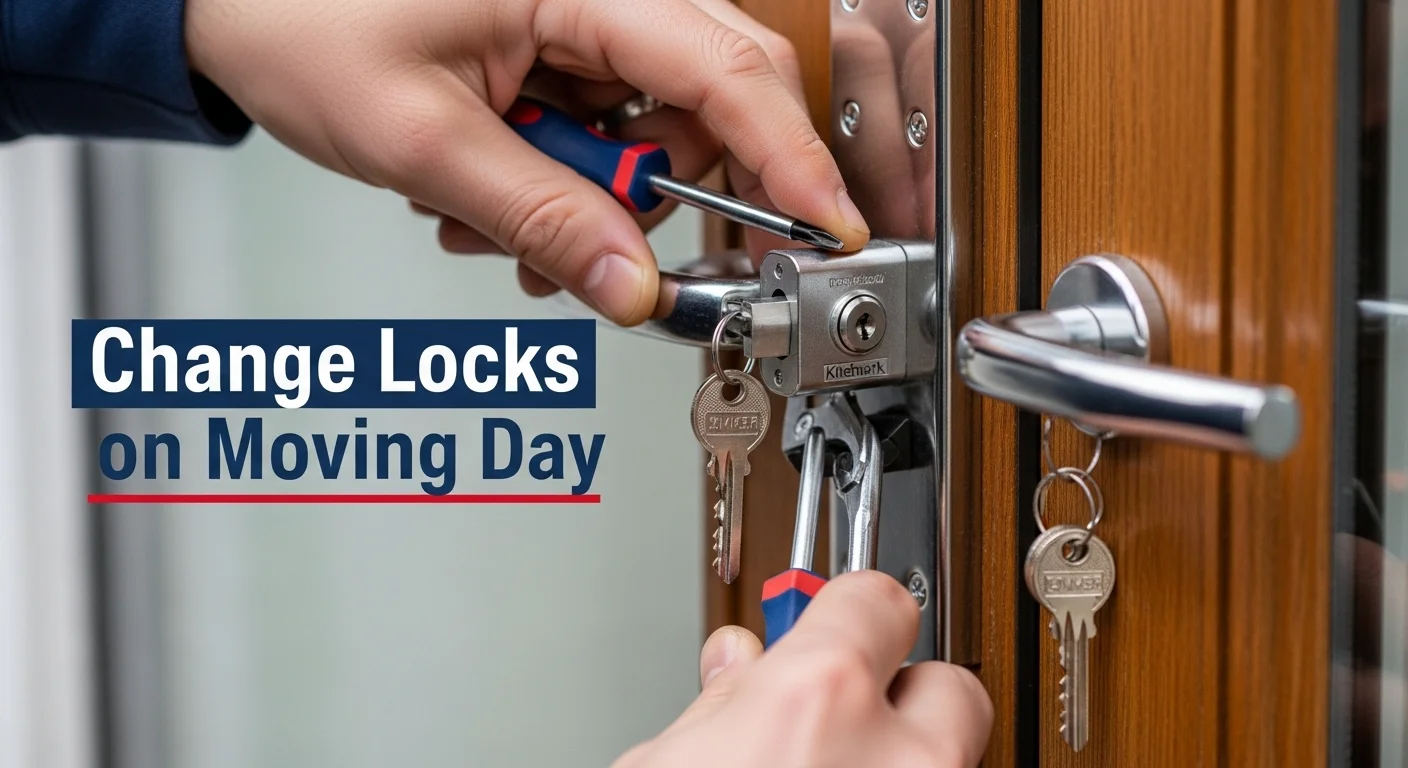
Don’t wait until after you move in to consider changing the locks. Book a locksmith for the day you get the keys or the day after. This should be as high a priority as booking the removal van.
If you’re moving to Skipton, Lancaster, or anywhere across Lancashire, book your locksmith appointment when you know your completion date. Good locksmiths get busy, especially during peak moving season in spring and early summer.
Budget for Lock Changes
Factor lock changes into your moving budget from the start. Changing the locks on a typical three-bedroom house costs £200-400, depending on how many doors you have and what type of locks you need.
This isn’t an optional expense. It’s essential security. If you’re spending thousands on furniture and decorating, spending a few hundred on proper security makes sense.
The Day You Get Your Keys
Completion day arrives. The estate agent hands over the keys. You’re officially a homeowner. Here’s what to do immediately.
Count the Keys You Receive
How many sets did you get? One set? Two? Are they all identical, or do some keys look different? Are there keys for every door and window lock?
Write down exactly what you received. Take photos of the keys. This gives you a baseline of what the estate agent provided.
Do an Initial Security Walk-Through
Before you start moving furniture in, walk through the property and check every entry point. This takes 30 minutes, but it’s time well spent.
Check every external door. Does it lock properly? Are the locks good quality or cheap rubbish? Test the keys in every lock. Do they all work smoothly?
Check every ground-floor window. Do they have locks? Do you have keys for the window locks? Test them to make sure they work.
Check the garage, shed, and any outbuildings. Do they lock? Do you have keys?
Make notes of everything that needs attention. You may find several locks that don’t work properly, windows without locks, or missing keys.
Change the Locks on Entry Doors Immediately
This is absolutely the priority. The locks on your front, back, and any other external doors should be changed as soon as possible.
Don’t wait. Don’t assume the previous owners were honest about returning all the keys. Don’t trust that they won’t let themselves in “just to check something.”
For professional door lock replacement services throughout Lancashire, locksmiths can usually change multiple door locks in a single visit, getting your security sorted quickly.
What About UPVC Doors?
If you’ve got UPVC doors, you don’t necessarily need to change the whole mechanism. You can change just the cylinder (the part where the key goes in).
This is quicker and cheaper than changing the complete mechanism. A locksmith can change a UPVC cylinder in about 15 minutes. Make sure you upgrade to anti-snap cylinders while you’re doing it. These provide much better security than standard cylinders.
Your First Week in the New Home
You’ve changed the main locks. Now it’s time to address everything else.
Sort Out Window Locks
Check every single window in your house. Ground-floor windows are the priority, but don’t forget first-floor windows that can be reached from extensions, conservatories, or flat roofs.
If windows don’t have locks, get them fitted with locks. If you have keys for existing window locks, test them. If you don’t have keys, the locks need to be replaced or the keys cut.
Window locks are cheap, but burglars know that many homes don’t have them. Don’t be an easy target.
For comprehensive window lock services, including UPVC window mechanisms, professional locksmiths can assess your needs and fit appropriate locks.
Deal With Garage and Shed Security
Your garage and shed need proper security. These buildings often contain thousands of pounds worth of tools, equipment, and bicycles.
Check what locks are fitted. Most garages and sheds have inadequate security. A flimsy padlock and hasp won’t stop anyone determined to get in.
Upgrade to closed shackle padlocks rated for outdoor use. Make sure the hasp is bolted through the door, not just screwed to the surface. Consider adding security features, such as internal bolts, to garage doors.
Check for Hidden Keys
Previous owners often hide spare keys around the property. Check all the obvious places. Under plant pots. Inside fake rocks. Behind loose bricks. In the shed. Above door frames.

If you find hidden keys, destroy them. Don’t keep them. You don’t know how many people knew about that hiding place.
Assess Your Overall Security
Now that you’ve lived in the house for a few days, you’ll have a better sense of security weaknesses. Walk around the outside of your property at dusk. Where would you break in if you were a burglar?
Look for dark areas that need lighting. Windows that are easy to reach. Fences that are easy to climb. Gates that don’t lock. Anything that makes your property an easier target than your neighbours’.
Make a list of security improvements you need to make. Prioritise them based on risk. Some things need doing immediately. Others can wait until you have more budget.
Understanding What Locks You Actually Need
Not all locks are created equal. What you need depends on your doors, your insurance requirements, and your security concerns.
British Standard Locks Matter
Most home insurance policies require British Standard locks on external doors. These are locks that meet specific security standards and have been independently tested.
British Standard locks are marked with a Kitemark. BS 3621 is the standard for locks on wooden doors. BS 10621 is for UPVC doors.
If your new home doesn’t have British Standard locks, you need to upgrade. This isn’t just about insurance. These locks genuinely provide better security than cheaper alternatives.
Anti-Snap Cylinders Are Essential
If you have UPVC doors or composite doors with euro cylinders, anti-snap cylinders are essential. Standard cylinders can be snapped and the lock defeated in seconds by burglars who know what they’re doing.
Anti-snap cylinders are designed to break safely if attacked, preventing the lock from being defeated. They cost slightly more than standard cylinders, but the security improvement is massive.
When you change cylinders in your new home, make sure you’re getting anti-snap versions. This is particularly important for front doors and any doors that aren’t visible from the street.
Smart Locks Need Careful Consideration
You might be tempted by smart locks that let you lock and unlock your door with your phone. These can be convenient, but they also introduce new security concerns.
If you’re going to use smart locks, research them properly. Make sure they’re from reputable manufacturers. Ensure they have backup mechanical locks in case of power failure or technical problems. Understand the security implications of connecting your front door to the internet.
Don’t rush into smart locks just because they’re new and clever. Traditional mechanical locks that are properly fitted and maintained provide excellent security without the complications.
Special Situations That Need Extra Attention
Some moving situations require additional security considerations.
If You’re Buying a Rental Property That’s Being Sold
If the property you’re buying was previously rented out, you have no idea how many tenants had keys over the years. Each tenant might have given copies to friends, family, or partners.
Rental properties definitely need all locks changed immediately. Don’t trust that the landlord collected all the keys back from all the tenants. They probably didn’t.
If the Previous Owners Still Have Access
Sometimes completion happens, but the previous owners haven’t fully moved out. They might have left items in the loft or the garage for later collection.
If previous owners still need access to collect belongings, supervise them personally. Don’t give them keys. Change the locks as soon as they’ve collected everything and you’re certain they won’t need to come back.
If You’re Buying a Repossession or Deceased Estate
Properties sold due to repossession or as part of a deceased estate are often empty for months. Multiple people might have had access during this time. Estate agents. Solicitors. Relatives. Utility companies. Surveyors.
These properties absolutely need comprehensive lock changes before you move in. You have no idea who’s been in the property or whether they kept keys.
If the Property Has Been Renovated Recently
If the previous owners recently had building work done, the builders are likely to have the keys still. If they had a new kitchen, bathroom, extension, or loft conversion, multiple tradespeople had access.
Builders often keep keys in their van with the address attached in case they need to come back to fix something. Ask whether building work was done, and assume builders still have keys unless you know for certain they were returned.
What About Rekeying vs Changing Locks?
You’ll hear people talk about “rekeying” locks as an alternative to changing them. Here’s what that actually means.
What Rekeying Means
Rekeying means changing the internal pins in a lock so that old keys no longer work. The lock stays the same, but you get new keys.
This can be cheaper than a full lock replacement. It’s also faster in some cases. But it only works with certain types of locks, and it requires a locksmith with the right skills and parts.
When Rekeying Makes Sense
If you’ve got high-quality locks in good condition that meet insurance requirements, rekeying might be an option. It’s particularly useful if you have multiple locks that can all be rekeyed to work with the same new key.
However, if your locks are old, poor quality, or don’t meet British Standard requirements, you need new locks anyway. Rekeying doesn’t upgrade security. It just changes the keys.
When You Should Replace Instead
Replace locks rather than rekey if the locks are old or worn, they’re not British Standard approved, they’re damaged or don’t work smoothly, or you’re unsure about their quality.
When you’re moving into a new house, full lock replacement usually makes more sense than rekeying. You’re getting security upgrades while dealing with the unknown keys issue.
For advice on whether to rekey or replace locks in your new Burnley or Nelson home, professional locksmiths can assess your existing locks and recommend the best approach.
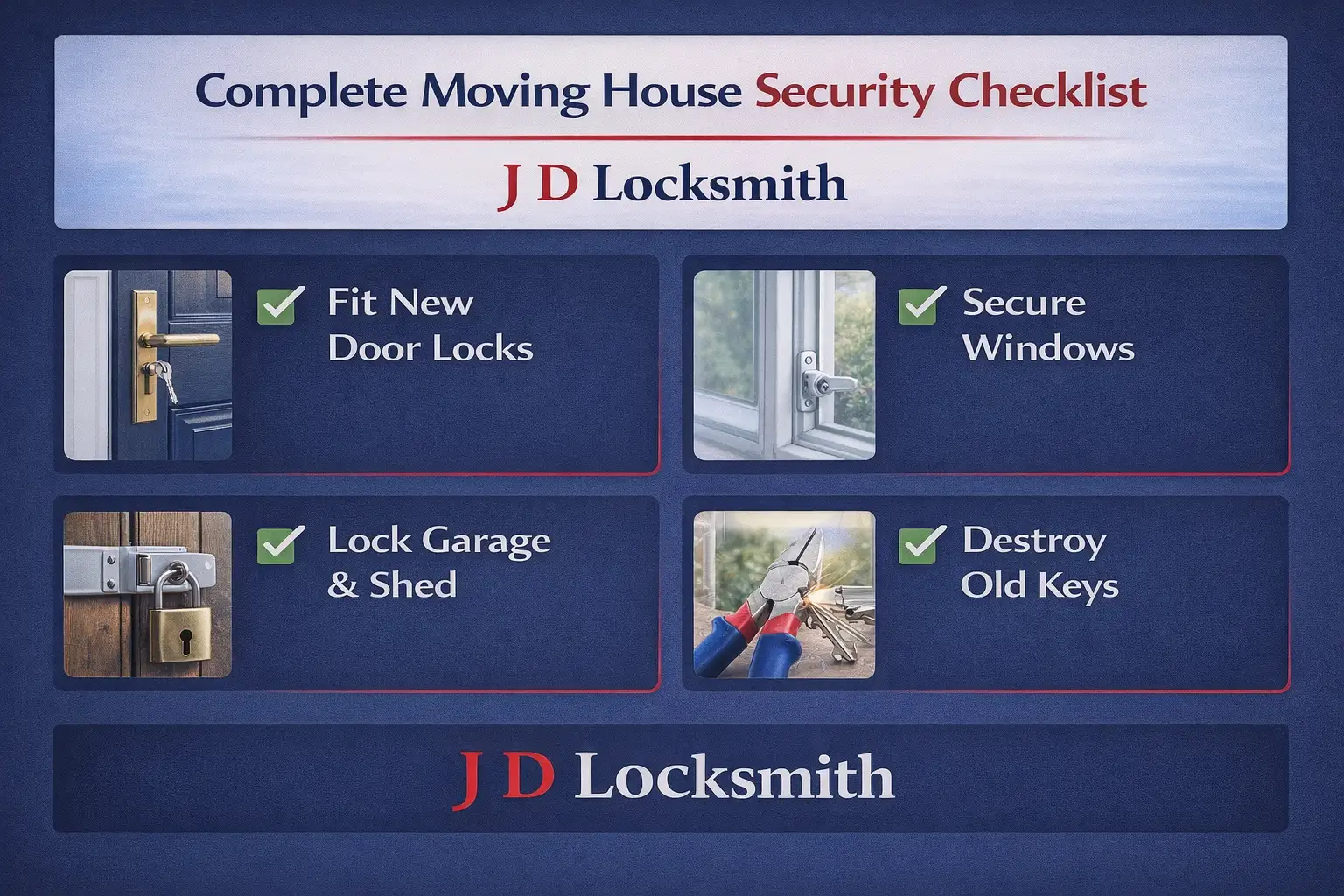
The Complete Moving House Security Checklist
Here’s everything you need to do to secure your new home properly. Use this as your action list.
Before Moving Day:
- Book a locksmith for lock changes
- Budget for security improvements
- Ask questions about existing keys
- Research insurance requirements for locks
Moving Day:
- Count and photograph keys received
- Do a security walk-through
- Note all security issues
- Change the main door locks if possible
First Week:
- Complete all door lock changes
- Check and fix window locks
- Upgrade garage and shed security
- Search for hidden keys
- Test all locks with new keys
- Make a list of security improvements needed
First Month:
- Upgrade to British Standard locks if needed
- Install anti-snap cylinders on UPVC doors
- Add security lighting if needed
- Fit additional locks on vulnerable doors
- Consider an alarm system if appropriate
- Update home insurance with new security details
Ongoing:
- Keep spare keys secure
- Don’t hide keys outside
- Review security regularly
- Maintain locks and mechanisms
Common Questions About Moving House Security
Should I change locks when moving into a new house?
Yes, absolutely. You should change locks on all external doors when moving into a new house. You don’t know who has copies of the existing keys. Previous owners, their family, neighbours, tradespeople, or anyone they gave keys to could still have access. Changing locks gives you complete control over who can enter your property. This is basic security that should be done immediately, not eventually.
How much does it cost to change locks when moving house?
Changing locks when moving house typically costs £200-400 for a standard three-bedroom house in Lancashire. This includes changing the front door, back door, and any side doors. Individual lock changes cost £80-150 per door, depending on lock type. UPVC cylinder changes cost £70-120 per door. The exact cost depends on how many doors you have, what type of locks you need, and whether you want British Standard-approved locks. Budget for this as an essential moving cost.
Can I rekey locks instead of replacing them?
You can rekey locks instead of replacing them if the existing locks are high quality, in good condition, and meet insurance requirements. Rekeying changes the internal pins so old keys no longer work. However, when moving house, full replacement usually makes more sense. Many houses have old, poor-quality, or non-standard locks that should be upgraded anyway. Rekeying doesn’t improve security. It just changes keys. For the small cost difference, new British Standard locks provide better security and peace of mind.
When should I change locks after moving in?
Change locks on main entry doors immediately after getting keys to your new house. Ideally, on the same day or within 24 hours. Don’t wait weeks or months. Every day you delay is a day that unknown key holders could access your property. Window locks, garage, and shed locks can be done in the first week. But the main doors need to be secured straight away. Book your locksmith in advance for moving day or the day after.
Do I need to tell my insurance about lock changes?
You should update your home insurance company after changing locks, particularly if you’ve upgraded to British Standard locks. Many insurers offer discounts for properties with approved locks. You should also confirm that your security meets policy requirements. Some policies specify minimum lock standards. Document what locks you’ve fitted and keep receipts. This proves you’ve taken reasonable security measures if you ever need to make a claim after a break-in.
What if I find extra keys after moving in?
If you find extra keys after moving in, you need to figure out what they’re for. Test them in all the locks. If they’re copies of your house keys, destroy them. Don’t keep them “just in case.” You don’t know who knew about them. If they’re for windows, sheds, or other locks you haven’t changed yet, use them, but then replace those locks too. Finding unexpected keys proves that you didn’t get all the keys when you moved in. This confirms you were right to change the locks.
Don’t Compromise on Security in Your New Home
Moving house is stressful and expensive. A hundred things are demanding your attention and your money. It’s tempting to put off security improvements to save a few hundred pounds.
Don’t do it.
Your new home represents a massive financial and emotional investment. You’re going to live there for years. You’re going to fill it with everything you own. Your family is going to sleep there every night.
Spending £200-400 to secure it properly isn’t an optional extra. It’s fundamental to protecting everything else you’re investing in that property.
I’ve helped homeowners who had break-ins in their first few months after moving. The burglars used old keys that should have been invalidated when the locks were changed. I’ve dealt with situations where previous owners let themselves in months after moving out. I’ve seen people locked out because the locks they inherited were so worn that they finally failed.
Every single one of these situations could have been prevented with proper security from day one.
If you’re moving house anywhere in Lancashire or Yorkshire, don’t leave your security to chance. Call me on 07845 08 66 31 to book your lock changes in advance.
I’m Dan Collins, your local locksmith covering Barnoldswick, Colne, and everywhere in between. I help people secure their new homes properly every week during moving season.
I’ll come to your new property, assess what security you need, change the locks you want changing, and make sure everything works perfectly before I leave. You’ll have complete peace of mind that you control access to your home.
Moving house is exciting. It’s the start of a new chapter. Make sure that the chapter begins with proper security. Your new home deserves protection from day one.